Blog Categories | Green APU Skip to main content

Are APUs Worth It for Owner-Operators? The Honest Math

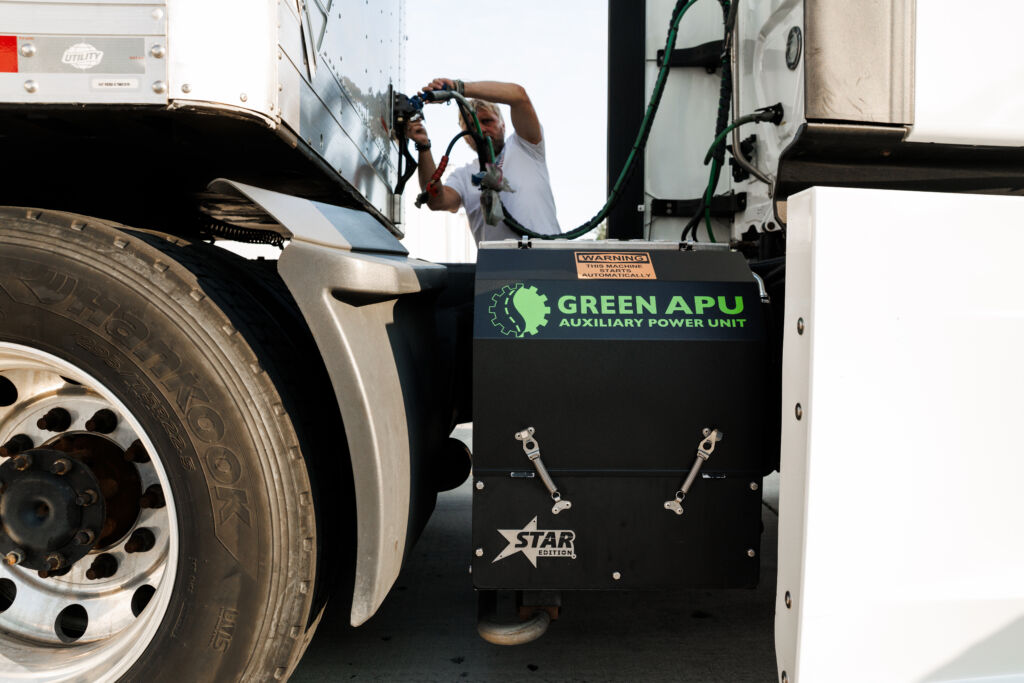
Green APU Star Edition diesel APU mounted on the frame rail of a white semi truck while the driver hooks up trailer lines

Short answer: for most owner-operators who put in real miles and sleep in the truck, yes. An APU pays for itself, usually faster than you would expect, and after that it keeps money in your pocket every night you would otherwise be idling.

But “it depends” earns its keep here, because not every truck and not every driver idles the same. So let’s do it the way truckers actually talk about money. Lay out the numbers, show the math, and let you decide whether one fits your operation. No pressure.

What an APU actually does for you

An APU (auxiliary power unit) is a small engine that runs your heat, your air conditioning, and your cab power overnight without idling your main engine. You shut the truck down, switch the APU on from your sleeper, and you sleep without burning diesel to run a big engine just to stay warm.

A Green APU puts out 26,000 BTU of heating and cooling, some of the highest output in the industry. That is not a “takes the edge off” number. That is keep-the-bunk-comfortable in a Minnesota January or a Phoenix July number. It runs on a three-cylinder Kubota diesel, the one part of the unit not built in the USA, and we say that plainly because it is a proven engine truckers already trust. Everything else is designed and assembled in the USA.

If you are brand new to these units, start with our complete guide to semi-truck APUs, then come back here for the part that decides it: whether one is worth it on your truck.

The real question: does it pay for itself?

This is the whole ballgame. An APU is not a comfort toy. It is a fuel-savings machine that happens to keep you comfortable. Here is the math, and you can adjust every number to your own truck.

A semi at idle burns about a gallon of diesel an hour. A Green APU does the same job (heat, cool, and power the cab) on about a quarter of that. So run a clean example:

  • Idle hours per night: about 10, a normal overnight or reset
  • A full-time year over the road: roughly 3,200 idle hours

Idling your main engine: 3,200 hours times about a gallon an hour is about 3,200 gallons. At $3.75 diesel, that is roughly $12,000 a year burned at the curb.

Running a Green APU instead: 3,200 hours times about a quarter gallon an hour is about 800 gallons. At $3.75, that is roughly $3,000.

That is about 2,400 gallons and roughly $9,000 a year, and you have fueled lately, so you know $3.75 is on the friendly side. Move the idle hours, the nights, and your local fuel price and the number moves with them, but the gap between a gallon an hour and a quarter gallon an hour is the engine of your savings no matter how you slice it. Want it dialed in to your truck? Run your own numbers on our savings calculator. It takes about a minute.

What the fuel receipt doesn’t show

The pump is only part of it.

Every hour you idle your main engine is an hour of wear, oil dilution, and, on a modern emissions truck, aftertreatment abuse you pay for later. Idle hours are what kill DPFs and trigger parked regens and sensor failures. Run the APU overnight instead and you stretch the life of the most expensive parts of your truck, money that never shows up on a fuel receipt but absolutely shows up at overhaul and cleaning time.

Then there is the law. A lot of states and cities have anti-idling rules, and the fines are not small. An APU keeps you legal and comfortable where letting the truck run is not an option. One ticket avoided is a chunk of payback right there.

If you want the full purchase, install, and payback picture in one place, we broke it all down in our honest cost breakdown.

So how fast does it pay off, and for whom?

For grounding: our Star Edition starts at $14,999 MSRP with installation included. Put the fuel savings against that, add the engine and aftertreatment wear that idling piles on, and a full-time owner-operator who sleeps in the truck typically has it paid off in about a year, call it 14 months.

Idle less and it takes longer, and that is the honest part. A regional or part-time driver who is home more nights saves proportionally less, so the payback stretches out. But even at half those hours, you are paid back well inside the 2-year unlimited-hours warranty. After that, the savings just keep landing every year you own the truck. That is the part people miss: the APU stops being a purchase and starts paying you back. And if paying cash up front is not the plan, financing can spread it across payments that often run smaller than what you are already burning in idle fuel.

“Worth it” also depends on the APU you buy

Here is where drivers get burned. They buy an APU, then find out the parts come from one dealer network, the support line routes overseas, and a small part turns into a three-day breakdown in the middle of nowhere. That is not worth it. That is a liability.

This is exactly why Green APU exists. Founder Art Gruszka ran a fleet of about 200 trucks out of Lemont, Illinois, got tired of proprietary lock-in and support that left his drivers stranded, and built the APU he wished someone would sell him. “For Truckers, By Truckers” is not a slogan on a hat. It is literally why the company exists.

So when you decide whether an APU is worth it, look at:

  • Parts you can actually get. A Green APU is built on standard automotive parts. Belts, filters, sensors, the service items are on the shelf at any automotive parts store in the country, and any diesel shop can do the work. No dealer-only ecosystem, no waiting three states away.
  • Support that picks up. Lifetime 24/7 US-based tech support, including remote, on-the-road diagnostics. Call at 2 a.m. from anywhere and a real person here in America walks you through it. That is the difference between a bad night and a blown weekend.
  • A warranty that means it. Two years, unlimited hours. Not “two years or X hours, whichever comes first.” Run it as hard as your work demands.
  • Simple maintenance. A service every 1,000 hours on standard components, with the serpentine belt added at the 3,000-hour service. Straightforward, the way an engine should be.

A cheap APU you cannot service and cannot get support for is not a deal. A well-built one with real parts access and lifetime support is the one that is actually worth it.

What about an electric APU?

If you are weighing a battery-electric unit instead, the honest answer is that it depends on how you run. Electric units are quiet and burn nothing while parked, but they typically put out less cooling (roughly 7,500 to 15,000 BTU), give you a fixed runtime (often 8 to 14 hours before the truck has to run again), still lean on a fuel-fired heater for real winter warmth, and want you to pre-cool the cab with the main engine first. For a driver who lives in the sleeper for weeks, that math usually favors diesel. We laid the whole thing out, fairly, in our electric APU vs diesel APU comparison.

So, are APUs worth it for your operation?

If you idle regularly, run real miles, and plan to keep your truck a while: yes. The fuel savings alone typically pay it off inside the warranty, you save your main engine and aftertreatment, you stay legal under anti-idle laws, and you sleep in a comfortable cab every night.

The only way an APU is not worth it is if you buy the wrong one: proprietary parts, no support, a warranty full of asterisks. Buy one that is built right and it is one of the best returns on a dollar anywhere on the truck.

Run your own numbers in about a minute on our savings calculator, then call (877) 751-0686, where a person picks up 365 days a year, or find a location near you for an installed quote on your truck.

Frequently Asked Questions

How long does it take for an APU to pay for itself?
For a full-time owner-operator who sleeps in the truck, about a year, call it 14 months, counting fuel savings plus the engine and aftertreatment wear that idling piles on. Idling your main engine burns about a gallon an hour, while a Green APU uses about a quarter gallon an hour to heat, cool, and power the cab. The more you idle, the faster it pays off. Regional and part-time drivers take proportionally longer, but still land inside the 2-year warranty. Run your exact numbers on our savings calculator.

How much fuel does an APU save compared to idling?
A Green APU uses about a quarter gallon an hour versus roughly a gallon an hour to idle your main engine, a difference of about three quarters of a gallon every hour. For a truck idling around 3,200 hours a year, that is roughly 2,400 gallons saved, about $9,000 at $3.75 diesel, depending on your idle hours and local fuel prices.

Are APUs worth it for owner-operators?
Yes, for most owner-operators who idle regularly and run real miles. An APU typically pays for itself in fuel savings inside the 2-year warranty, reduces wear on your main engine and aftertreatment, and keeps you compliant with anti-idling laws, all while keeping your cab comfortable. The key is buying a well-built APU with accessible parts and real support.

Does an APU help with anti-idling laws?
Yes. Many states and cities have anti-idling regulations with real fines. An APU lets you keep your cab heated, cooled, and powered overnight without idling your main engine, keeping you compliant and comfortable where letting the truck run is not allowed.

What should I look for when buying an APU?
Look for accessible parts (a Green APU uses standard automotive parts from any automotive parts store, no proprietary lock-in), real support (lifetime 24/7 US-based tech support with on-the-road diagnostics), a strong warranty (two years, unlimited hours), high output (26,000 BTU), and simple maintenance (a service every 1,000 hours).
Semi-Truck APUs: The Complete Guide for Drivers and Fleets

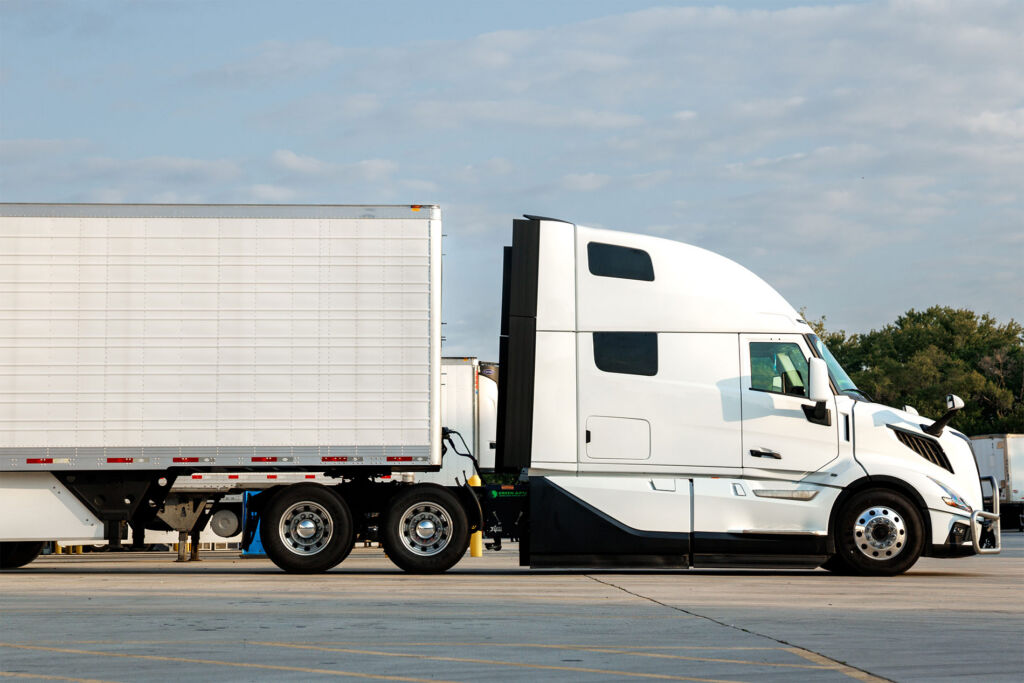
Green APU Star Edition installed on a semi-truck for idle-free operation

Every mile you drive is money earned, and every hour your truck sits idling is money burned. A semi-truck APU is the piece of equipment that breaks that trade-off. It keeps your cab warm in January and cool in August, runs your electronics, and keeps your batteries charged, all without idling the big engine to do it. This guide covers what an APU is, why drivers install one, what it costs, how diesel and electric compare, and what to look for so you buy a unit that any shop can keep running for years.

What a semi-truck APU actually is

An Auxiliary Power Unit, or APU, is a small, self-contained power source for a semi truck that does the work your main engine used to do while parked. Instead of idling a big diesel all night to run the heat, the air conditioning, and the outlets in your sleeper, the APU handles all of it on a fraction of the fuel.

The idea isn’t new or unproven. Aircraft have used auxiliary power units for decades to run onboard systems and conserve the main engines before takeoff. The same logic applies to a truck: let a small dedicated unit carry the load so the big engine can rest.

There are two kinds. A diesel APU is a small engine, a compressor, and an alternator that runs on fuel from your own tank. An electric APU is a battery bank, an inverter, and an electric air conditioner that charges while you drive. Both do the same basic job. They just do it differently, and we’ll get to which fits which kind of driver below.

What a good truck APU does have in common with the best equipment on your truck: it makes the overnight simple. Shut the main engine down, switch the unit on from the controller in your sleeper, set your temperature, and that’s it. Climate control runs all night, the cab stays comfortable, and you sleep.

Why drivers install an APU for their trucks

Comfort that runs itself. After a long drive, you shouldn’t have to choose between a comfortable bunk and a running engine. An APU keeps the sleeper at the temperature you set, quietly, all night. It cools the cab in summer heat and heats it through a hard winter, and on a cold morning it can preheat the engine coolant so the truck starts even when the temperature drops below freezing.

The fuel math. This is the reason most drivers run the numbers and then buy. A semi at idle burns about a gallon of diesel an hour. A diesel APU does the same job on about a quarter gallon an hour, which is roughly three quarters of a gallon saved for every hour you would have idled. Here’s a full-time driver’s night and year, side by side:

Idling the main engine Running a diesel APU
Fuel burned per hour about 1 gallon about 0.25 gallon
A 10-hour night about $37.50 about $9.40
A working year (~3,200 hrs) about $12,000 about $3,000

Using $3.75 diesel, that’s roughly 2,400 gallons and about $9,000 saved in a year. Your idle hours and your local fuel price move the number, so run it for your own truck.

Run your numbers on the savings calculator

Less wear, fewer shop visits. Idle hours are hard hours. A truck can pile up a couple thousand idle hours a year, and every one is wear on the main engine and, on a modern emissions truck, punishment for the aftertreatment system. Parked regens, DPF cleanings, and sensor failures are what idle hours do to a newer truck, and that’s real money on top of the fuel. Take the idling away and the engine lasts longer and spends less time in the service shop.

Staying legal. Anti-idling laws have spread across states and cities, and crackdowns to protect air quality keep getting more common. An idling ticket is a cost you never planned for. An APU lets you run your heat, your air, and your power while the main engine stays off, which keeps you comfortable and out of trouble in no-idle zones. Before you buy, it’s worth thinking hard about whether an APU is worth it for your operation.

Backup when you need it. An APU is also insurance. If the main engine ever quits, the unit can keep power and climate running in the cab while you sort out the problem, instead of leaving you stranded in the cold or the heat.

What a semi-truck APU costs

Plan on somewhere between $12,000 and $17,000+ installed for a new diesel unit from an established brand, and loaded setups can run past that. The unit itself runs in the mid-teens, and installation goes on top of that. Our Star Edition starts at $14,999 MSRP with installation included, which lands toward the friendly end of that range.

If you see an article quoting $8,000 or $9,000, check the date on it. That was real pricing years ago. Today a number that low is usually a used take-off with no warranty or an import with nobody around to service it, and both of those turn out to be the expensive option. Diesel climbed right alongside the units, so the savings math between idling and an APU hasn’t really moved.

The sticker is only about a third of the story, though. What separates APUs over the years you own them is parts, service, and warranty. For the whole breakdown, including install and payback, see what a semi-truck APU costs.

Diesel or electric

Electric APUs look good on paper: no second engine, nothing burning while you’re parked, and near silence. For a driver who’s home most nights in a mild climate, that can be plenty.

The catch is runtime. An electric unit is a battery bank, and the battery is the fuel tank. Most electric systems deliver somewhere between 8 and 14 hours of cooling on a full charge, less in brutal heat, with cooling output typically in the 7,500 to 15,000 BTU range. When the batteries run down, the truck has to run to recharge them, which is the exact thing you bought an APU to avoid. Most electric units also lean on a fuel-fired bunk heater for real winter heat, so “electric” mostly means electric cooling. And manufacturers themselves recommend pre-cooling the cab with the main engine before you shut down, because a battery unit holds a temperature better than it makes one.

A diesel APU measures its runtime in fuel, not charge. It runs as long as there’s diesel in the tank, whether that’s one night or four, and it puts out steady heat and cooling either way. The more nights you live in the truck, the more the math tilts diesel. We lay out the whole thing in our electric APU vs diesel APU comparison.

What to look for in any APU

Whatever brand you buy, these are the questions that decide whether you’re still happy with it in year four.

Parts availability. This is the big one. Most APUs are built on proprietary components, which means the manufacturer is the only source. When something fails, you pay what they ask and you wait as long as their supply chain makes you wait. Ask straight out: are the service parts proprietary, or standard automotive? The answer doesn’t matter the day you buy. It matters every year after.

Warranty terms. Read two things before you sign. First, the hours cap. A unit that runs hard piles up hours fast, and a lot of warranties quietly expire at an hours number long before the calendar date does. Second, what’s actually covered. Some brands split coverage into tiers, one term for this part and a shorter one for that part, so the piece that fails on you may be the one with the short coverage. Ask for the full breakdown and read it.

Service network. Who fixes it where you actually run? A thin dealer network is fine until you break down 800 miles from the nearest one. Ask what happens then.

Build quality and output. You want enough heating and cooling for your sleeper in real summers and real winters, and a build that holds up to daily use. A cheap unit that’s expensive to keep alive costs more than a fair-priced one any shop can fix. Every time.

The Green APU difference

We build a diesel APU designed around exactly those questions.

Standard automotive parts. A Green APU runs on a Kubota three-cylinder diesel engine and standard automotive components. Belts, filters, and sensors are sitting on the shelf at any automotive parts store in the country, and any diesel shop can do the work. You’re never stuck waiting on a proprietary supply chain, so repairs cost less and get done faster. That’s a maintenance story most APUs, diesel or electric, can’t tell.

Simple maintenance. The unit runs 1,000 hours between preventive maintenance services, on parts any diesel shop already stocks. The 3,000-hour service adds a serpentine belt. That’s the whole rhythm.

A warranty you can remember. Two years, unlimited hours. Run it as hard as your work demands. After that, lifetime 24/7 US-based tech support, and a person answers the phone. We’re a little proud of that one.

Output that carries a big sleeper. 26,000 BTU of heating and cooling, some of the highest output in the industry, and it charges your truck batteries while it runs instead of draining them.

Built in America, built to last. Green APU started in 2011 when Art Gruszka, a fleet owner running about 200 trucks, got tired of APUs that broke and couldn’t be fixed. The unit we build is the one he wished somebody would sell him: an all-aluminum housing that doesn’t rust, a single self-adjusting serpentine belt instead of a tangle of V-belts, and every unit designed, assembled, and quality-checked at our own facility in Lemont, Illinois. High-quality, American-made equipment, because that’s what we’d want on our own trucks.

FAQ

What is an APU on a semi truck?
An APU, or Auxiliary Power Unit, is a small self-contained unit that powers your heat, air conditioning, and electronics while you’re parked, so you don’t have to idle the main engine to stay comfortable. A diesel APU runs on fuel from your own tank, and an electric one runs off a battery bank. Either way, you switch it on from your sleeper after you shut the engine down, set your temperature, and you’re done.

How much fuel does a truck APU save?
Idling burns about a gallon of diesel an hour, and a diesel APU does the same job on about a quarter gallon, so you save roughly three quarters of a gallon for every hour you’d have idled. A driver idling around 10 hours a night, about 3,200 hours a year, saves roughly 2,400 gallons, which is around $9,000 at $3.75 diesel. Run your own numbers on our savings calculator.

How much does a semi-truck APU cost?
Figure $12,000 to $17,000+ installed for a new unit from an established brand. Our Star Edition is $14,999 MSRP with install included. Articles quoting $8,000 to $10,000 are working off years-old pricing or a bare unit before anyone touches the truck, so compare all-in quotes.

How long does an APU take to pay for itself?
For a full-time driver who sleeps in the truck, usually about 14 months, counting fuel plus the engine and aftertreatment wear that idling piles on. Idle fewer hours and it takes longer, but payback still lands well inside the 2-year warranty.

Do I want a diesel or electric APU?
If you’re home most nights in a mild climate and value silence, an electric unit may serve you fine. If you’re over the road for weeks, take multi-day sits, and run real summers and winters, a diesel APU is the safer bet, because it runs as long as you have fuel instead of a fixed number of battery hours.

Can an APU keep my truck legal in no-idle zones?
Yes. An APU lets you run your heat, air, and power with the main engine off, which is what most anti-idling laws are after. That keeps you comfortable and helps you avoid idling tickets in the states and cities that enforce them.

The bottom line

For a truck that’s your home for weeks at a stretch, an APU is one of the few upgrades that pays you back in fuel, in engine life, and in a full night’s sleep. Call (877) 751-0686 any time, a person picks up 365 days a year, or find a dealer near you for an installed quote on your truck.

About Green APU

Green APU has built American-made auxiliary power units in Lemont, Illinois since 2011. The company was founded by Art Gruszka, a fleet owner running about 200 trucks who got tired of APUs that broke and could not be fixed, so he built the one he wished somebody would sell him.

The Star Edition is a diesel APU rated at 26,000 BTU, powered by a three-cylinder Kubota engine, and built on standard automotive parts so any diesel shop can service it. Preventive maintenance runs every 1,000 hours. Every unit carries a two-year unlimited-hour warranty and lifetime 24/7 technical support, answered by a person in the United States.

Designed and assembled in the USA. Sold and serviced through our Lemont, Illinois shop and a growing dealer network. For Truckers, By Truckers. Call (877) 751-0686 or visit greenapu.com.

Electric APU vs Diesel APU: Which One Belongs on Your Truck?

Green APU Star Edition diesel auxiliary power unit for semi-trucks

Every summer the same question shows up at truck stops and in the Facebook groups: should my next APU be electric? It’s a fair question. Battery-powered APUs have gotten better in the last few years, and the pitch is attractive. No second diesel engine on the truck, no fuel burned while you’re parked, no noise.

We build diesel APUs, so you know where we stand up front. Here’s the comparison the way we’d give it to a friend: what electric units genuinely do well, where they fall short of the promise, and how to tell which one fits the way you run.

What an electric APU actually is

An electric APU is a battery bank, an inverter, and an electric air conditioner. The batteries charge off your alternator while you drive, or off shore power where you can find it. Park, and the batteries run your A/C and your electronics, the TV, the microwave, the phone chargers, until they’re empty.

One thing worth knowing up front: in winter, most electric systems still lean on a fuel-fired bunk heater for real heat, because electric heat would flatten the batteries in a matter of hours. So “electric” mostly means electric cooling. The heat side usually burns diesel either way.

None of this is hypothetical. One of the better-known lithium systems prices its top package at about $12,000 installed, and its winter heat comes from a fuel-fired coolant heater that burns about a gallon of diesel every 10 hours. Even the factory battery HVAC option offered on some new trucks is rated for up to 10 hours of parked cooling.

Electric APU vs diesel APU at a glance

Electric APU Green APU diesel
Runtime parked 8 to 14 hours typical, less in extreme heat As long as there’s fuel in the tank
Cooling output 7,500 to 15,000 BTU on most units 26,000 BTU
Winter heat Usually a fuel-fired heater anyway 26,000 BTU, built into the unit
Hot-cab pull-down Pre-cooling with the main engine recommended Pulls the cab down on its own
Multi-day sits Limited by battery charge No limit with fuel in the tank
Maintenance Battery packs age and get replaced PM every 1,000 hours with standard parts
Best fit Home most nights, mild climate Over the road, all seasons

The rest of this article is the detail behind every row.

What electric does well

Credit where it’s due, because there’s real substance here:

  • Silence. Nothing is running. If you’re a light sleeper, that matters.
  • No second engine. No oil changes and no PM interval on the unit itself, though the winter heater and the charging system are still on the truck.
  • Nothing burning while parked. No fuel use at idle, no emissions at the truck, and no-idle zones are a non-event.

That’s the pitch. The rest is what the brochure leaves out.

Where electric runs out

The battery is the fuel tank, and it’s a small one. Most electric units deliver somewhere between 8 and 14 hours of cooling on a full charge in decent conditions, and some newer lithium systems claim more. In brutal heat, less. That’s fine if you’re driving again in the morning. On a weekend sit or a 34-hour restart in July, it’s a different story, and the backup plan is usually idling the main engine, which is the exact thing you bought an APU to stop doing.

Here’s one that surprises people: most electric units are temperature maintainers, not temperature makers. The manufacturers themselves recommend pre-cooling the cab with the truck’s own A/C before you shut down, then letting the battery unit hold that temperature overnight. A 7,500 BTU system can keep a cool sleeper cool, but it can’t pull a 100-degree cab down quickly on its own. So on a hot day, the routine still starts with the main engine running.

Recharging takes drive time. The alternator needs hours of driving to refill what a hot night took out. Team operations and heavy electrical use make that math tighter. And the shore-power option on the brochure assumes a plug. Count the pedestals at the last five truck stops you parked at.

And batteries age. An electric unit is at its strongest the day it’s installed, and replacement packs some years down the road are a real bill. Ask any electric vendor what a new battery bank costs and when you should expect to need one. It’s a fair question and a good test of how straight they are with you.

If you’re picturing the electric unit as the light, simple option, weigh it first. On one leading all-electric system, the battery box alone comes in around 470 pounds before the evaporator and condenser go on. Batteries are the heaviest way anyone has ever stored a night of air conditioning.

Cold makes it worse. Lithium batteries lose capacity as the temperature drops, and most can’t take a charge below freezing until they’ve warmed themselves up, which is why the better systems build in battery heaters. So in January the unit spends energy keeping itself warm before it spends any keeping you warm, and the actual heat is still coming from a fuel-fired heater.

Output is the last piece. Most electric units cool somewhere in the 7,500 to 15,000 BTU range, and some of the best-known systems sit at the bottom of it. A big sleeper in a Texas August will work that hard.

Add it up and it explains what plenty of drivers learn the hard way: electric units promise big and deliver conditionally. On a hard night they can run out before morning, and they can’t run the sleeper the way a diesel unit can. When you’re on the road and the truck becomes your home, that matters.

What a diesel APU does well

A diesel APU measures its runtime in fuel, not charge. It will heat, cool, and power the sleeper as long as there’s diesel in the tank, whether that’s one night or four. It doesn’t care if the layover was planned, and it doesn’t ration your evening: run the A/C, the microwave, the TV, and the phone chargers at the same time, all night, with no battery math.

Ours puts out 26,000 BTU of heating and cooling, some of the highest output in the industry, and it charges your truck batteries while it runs instead of draining them. It refuels everywhere diesel is sold, which is everywhere you already go. And it pulls a hot cab down on its own. No pre-cooling ritual, no countdown.

The honest costs: it burns roughly a quarter gallon per hour, a fraction of what your main engine drinks at idle. It’s an engine, so it wants a service every 1,000 hours, and it makes some noise. Less than your main engine by a long way, but it isn’t silent.

One more thing that’s specific to how we build: our unit runs on standard automotive parts. Belts and filters come from any automotive parts store, and any diesel shop can work on it. That’s a maintenance story most APUs, diesel or electric, can’t tell.

The money side

On sticker price, electric can look friendly. Budget battery systems can land under $10,000 installed, while the premium name-brand electric units run into the same five-figure territory as a quality diesel APU. But the sticker isn’t what decides this. The nights are.

The math is worth seeing. At idle, a main engine burns about a gallon of diesel an hour. A diesel APU does the same job on roughly a quarter of that. For a truck idling around 3,200 hours a year, that works out to about 2,400 gallons saved annually, call it $9,000 at today’s prices, and the unit typically pays for itself in about 14 months. The math is in our cost breakdown, and you can run your own numbers on the savings calculator.

An electric unit saves a little more on the nights it can cover, because it burns nothing at all. The catch is the nights it can’t cover. Those turn into hours of idling the main engine, and a few of those nights a month quietly eat the difference.

Which one fits how you run

Electric makes sense if: you’re home most nights, your climate is mild, your sits are short and predictable, you have access to shore power, and silence is near the top of your list.

Diesel makes sense if: you’re over the road for weeks at a time, you take multi-day sits and 34-hour restarts, you run real summers and real winters, you’re part of a team operation, or you simply can’t schedule when you’ll need power.

One more angle if you run trucks for a living: fleet managers tend to value predictability over peak efficiency. A diesel APU behaves the same on every truck, every night, no matter how long the truck sits. One standard across the yard, and fewer surprise calls to dispatch.

The short version: the more nights you live in the truck, the more the math tilts diesel.

Where we land

We build diesel APUs because our customers live over the road, and a unit that runs out of power at 3 a.m. in a Laredo parking lot isn’t a comfort system, it’s a countdown timer. That’s been the design brief since 2011, when a fleet owner who ran about 200 trucks got tired of the options and built his own.

If you’re home every night, an electric unit might serve you fine, and we’d tell you so on the phone. If the truck is your home for weeks at a stretch, buy the one that never runs out before you do. See what ours costs, installed, or call 877-751-0686 and talk it through with the people who build it.

Specifications and prices for battery-powered systems referenced in this article come from manufacturers’ published materials as of July 2026.

How Much Does a Semi-Truck APU Cost? The Honest Breakdown

TrevorLyden-GreenAPU-5239 (1) - Green APU

If you’ve been shopping for an APU, you’ve probably noticed that almost nobody will tell you what one costs. Every site looks the same. A photo, a feature list, and a quote button.

We think that’s backwards. So here’s the whole picture: what these units actually cost in 2026, why the price went up, and how to figure out whether one makes sense on your truck.

What a diesel APU costs right now

Plan on somewhere between $12,000 and $17,000+ installed for a new unit from an established brand. The unit itself usually runs in the mid-teens, then installation on top of that.

And since we’re the ones complaining that nobody posts prices: our Star Edition starts at $14,999 MSRP including install. On the installed range above, that lands toward the friendly end of it. What that buys you is a 2 year, unlimited hour warranty and a parts setup we’ll get into below, because that’s where APU brands actually separate.

If you’ve seen articles quoting $8,000 or $9,000, check the date on them. That was real pricing once. It isn’t anymore, and when somebody advertises it today, it’s usually a used take-off with no warranty or an import with nobody to service it. Both of those turn out to be the expensive option. It just takes a year or two to find out.

The reason prices climbed isn’t complicated. An APU is a diesel engine, a compressor, an alternator, a lot of steel and copper, and freight to move all of it. Every item on that list costs considerably more than it did five years ago, and nobody building these things is immune to that.

Here’s what people miss, though: diesel climbed right along with it. Idling got more expensive at the same time the units did. So the math between them hasn’t really moved, and if anything it leans further toward the APU than it used to.

Where the money actually goes

The sticker. It’s the number everyone fixates on, and it’s maybe a third of the story. A cheap unit that’s expensive to keep alive costs more than a fair-priced one that any shop can fix. Every time.

The install. Installation is skilled work, and how long it takes depends on the unit and the truck. Mounting on the frame rail, electrical to the batteries, coolant lines into the engine loop, A/C lines up to the sleeper. Some units on some trucks turn into a multi-day job, and that’s your truck not earning. At our own shop in Lemont we can typically turn a Star Edition install around in a day. Dealer timelines vary with their schedule and what your truck throws at them, so it’s worth asking. Either way, an install done right is boring and invisible for years. Done wrong, it’s leaks and comebacks. When you compare quotes, ask what the install includes, how long they’ll have the truck, and who stands behind the work.

Parts. This is the question that actually separates APUs: when something fails in year four, what does the part cost, and how long does your truck sit waiting for it? Most APUs are built on proprietary components. The manufacturer is the only source, you pay what they ask, and if their dealer network is thin where you broke down, you wait. A Green APU is built on standard automotive parts. Belts, filters, sensors, most of the service items are sitting on the shelf at any automotive parts store in the country, and any diesel shop can do the work. That difference doesn’t show up the day you buy. It shows up every year you own the thing.

The warranty. Two things to read before you sign. First, the hours cap. A unit that runs hard piles up hours fast, and a lot of warranties quietly expire at an hours number long before the calendar date does. Second, what’s actually covered. Some brands split coverage into tiers, one term for this component, a different term for that one, so the part that fails on you may turn out to be the one with the short coverage. Ask for the full coverage breakdown and read it. Ours is easy to remember: 2 years, unlimited hours, run it as hard as your work demands, with lifetime 24/7 tech support after that. A person answers the phone. We’re a little proud of that one.

What it saves you

A semi at idle burns about a gallon of diesel an hour. An APU does the same job on a fraction of that, which nets out to roughly three quarters of a gallon saved for every hour you would have idled.

Now run it the way a long-haul driver actually lives. If you sleep in the truck, you’re idling 8 to 12 hours a day. Call it 10. Over a working year that’s around 3,200 idle hours, which comes to about 2,400 gallons saved. At $3.75 diesel that’s roughly $9,000 a year in fuel, and you’ve fueled lately, so you know $3.75 is on the friendly side.

Then there’s everything that doesn’t show up at the pump. On a modern emissions truck, idle hours are what kill the aftertreatment system. Parked regens, DPF cleanings, sensor failures. That’s real money every year on a truck that idles all night. Add the oil changes coming due sooner, the wear on your main engine, and what all those idle hours do to resale, and the true cost of idling runs well past the fuel bill.

Put that against the price of the unit and it lands about like this: a full-time owner-operator typically has the APU paid off in about a year. Idle less and it takes longer, but even at half those hours you’re paid back well inside the warranty. Don’t take our word for any of this, either. Run your own numbers on our savings calculator with your idle hours and your fuel price.

Diesel or electric

Electric APUs look good on paper. Fewer moving parts, quiet, no fuel burn of their own. The catch is run time and what the batteries cost when they age out. You get a fixed number of cooling hours before the truck has to run to recharge, hot climates eat the packs faster, and replacing one a few years in can look a lot like a major repair bill. A diesel APU runs as long as you have fuel in the tank. For teams and drivers who live in the sleeper, that’s usually the end of the conversation.

Buying the cheap one twice

Every year we meet drivers on their second APU. The first one was the bargain option, from a brand with a thin service network and proprietary everything. When it failed, the math flipped. Weeks of downtime waiting on parts, repairs only one place could do, and eventually a dead unit riding around on the frame rail while the truck idles like it was never there.

Whatever you buy, buy something any shop can keep alive. That one decision protects every other dollar you spend on it.

What to ask before you buy any APU

  1. What’s the all-in installed price, unit and labor and everything on the truck?
  2. Is the warranty capped by hours, and does every component carry the same coverage term?
  3. Are the service parts proprietary, or standard automotive?
  4. Who services it where I actually run, and what happens if I break down 800 miles from a dealer?
  5. What does a 1,000-hour service cost, and what’s in it?

If the salesperson gets vague around question 3 or 4, that’s your answer.

Where we fit

Green APU started in 2011 with a fleet owner running about 200 trucks who got tired of APUs that broke and couldn’t be fixed. The unit we build is the one he wished somebody would sell him. Diesel, built on standard automotive parts, designed and assembled in the USA, 2-year unlimited-hours warranty, lifetime 24/7 support.

Want your number instead of an industry range? Call (877) 751-0686, a person picks up 365 days a year, or find a dealer near you for an installed quote on your truck.


FAQ

How much does a semi-truck APU cost installed? Figure $12,000 to $17,000 installed for a new unit from an established brand. Articles quoting $8,000 to $10,000 are working off years-old pricing, or a bare unit before anyone touches the truck. Compare all-in quotes, unit plus install.

How much fuel does an APU save? Idling burns about a gallon an hour and an APU replaces most of it, call it 0.75 gallons saved per idle hour. A driver idling 10 hours a night saves roughly 2,400 gallons a year, which is around $9,000 at $3.75 diesel.

How long does an APU take to pay for itself? For a full-time owner-operator who sleeps in the truck, about a year, counting fuel plus the aftertreatment and engine wear that idling piles on. Fewer idle hours stretch it out, but payback still lands inside the 2-year warranty.

Is a diesel or electric APU cheaper to own? Purchase prices are similar. The difference is run time and battery life. A diesel APU runs as long as you have fuel. An electric one gives you a fixed number of hours before the truck has to run again, and the battery pack is an expensive replacement a few years down the road.

What makes Green APU different on cost? Standard automotive parts, so any shop can service it and you’re never stuck waiting on a proprietary supply chain. A 2-year unlimited-hours warranty. Lifetime 24/7 support. The savings show up over the years you own it, not on day one.

What Idling Is Really Costing You Every Year

Green APU diesel auxiliary power unit for semi-trucks

You park for the night. The engine keeps running. Fuel keeps burning.

For many drivers, idling overnight feels like just part of the job. But when you actually run the numbers, it becomes clear that idling is one of the most expensive habits in trucking.

An average 8-hour rest period can burn roughly 7 to 8 gallons of diesel, depending on the truck and operating conditions. At $3.75 per gallon, that works out to about $26 to $30 every single night. Over the course of a 300-day working year, that adds up to approximately $8,000 to $9,000 in fuel costs alone, just to keep the cab comfortable while parked.

And fuel is only part of the story.

Idling also adds wear to your engine without adding miles. Hours accumulate faster, which can lead to more frequent oil changes, added stress on engine components, and higher maintenance costs over time. Your emissions system is affected as well, with increased DEF consumption and more regeneration cycles. These are costs many drivers do not notice day to day, but they add up quickly over the course of a year.

When all of it is considered, idling is not just costing a few dollars per night. In many cases, the real annual cost lands somewhere in the range of $11,000 to $13,000 or more. That is a serious amount of money going out the door while the truck is sitting still.

A Better Way to Run Overnight

This is where an APU changes the equation.

Instead of running a full-size diesel engine just to heat or cool the cab, an APU is built to handle that job far more efficiently. A Green APU typically burns about 0.2 to 0.25 gallons of diesel per hour, which puts the nightly fuel cost for an 8-hour rest period at roughly $6 to $8.

Over a 300-day year, that works out to about $1,800 to $2,300 in fuel, compared to roughly $8,000 to $9,000 per year in fuel from idling the truck. The reduction is immediate and substantial.

Once you factor in reduced engine wear, lower maintenance needs, and fewer aftertreatment-related costs, total annual savings often fall somewhere between $8,000 and $12,000. That is not from driving more miles or changing your routes. It comes simply from cutting unnecessary idle time.

How Fast It Pays Off

One of the first questions drivers ask is how long it takes to recover the investment.

Based on the current Green APU MSRP of $14,999, installation included, many drivers see payback in roughly 14,or less, months, depending on fuel prices, idle hours, and the maintenance savings they would otherwise be losing to idling. For trucks with high idle time, the payback can happen even faster.

For a full breakdown of purchase price, installation, and what drives the payback period, see how much a semi-truck APU costs.

After that, the numbers shift in your favor. Instead of spending money every night just to stay parked, you are putting those dollars back into your business year after year, while also reducing wear on your main engine.

Why Drivers Actually Make the Switch

At the end of the day, this is not about theory. It is about what works on the road.

Drivers make the switch because it simplifies ownership. Green APU systems are built with standard automotive parts, so you are not locked into a proprietary dealer network if something needs attention. Parts are easy to source, service is more straightforward, and that means less downtime when something needs to be addressed.

Support also matters. With 24/7 U.S.-based technical support, drivers can speak with someone who understands the equipment when help is needed, rather than waiting for a callback or dealing with a generic call center. Add in a 2-year unlimited-hours warranty, and it is a system designed for real-world trucking.

More Than Just Fuel Savings

Fuel savings are a major advantage, but they are not the only one.

Shutting down the main engine overnight helps reduce long-term wear, which can extend engine life and help avoid expensive repairs down the road. It also lowers the risk of unexpected breakdowns, which can easily cost hundreds or even thousands of dollars in a single incident.

Other benefits show up over time as well. Trucks equipped with APUs often bring stronger resale value, sometimes adding $2,000 to $4,000 or more when it is time to sell. The cab is quieter at night, which can mean better sleep and less fatigue the next day. And as anti-idle laws continue to expand in some areas, an APU can also help drivers stay compliant and avoid fines that may range from $300 to $1,500.

The Bottom Line

Idling may seem like a small and routine part of the job, but over the course of a year, it can cost $11,000 to $13,000 or more.

By comparison, a Green APU can reduce overnight fuel costs to roughly $1,800 to $2,300 per year while also lowering maintenance, engine wear, and aftertreatment expense. For many drivers, that creates total annual savings of $8,000 or more, and high-idle trucks save well past that.

That is not a small improvement. It is a major reduction in operating cost without changing your routes, your workload, or the way you run your business.

Where to Go From Here

If you want to see what this looks like for your own truck, the next step is simple: run your numbers.

Look at your idle hours, compare your fuel usage, and calculate what those hours are really costing you. Most drivers are surprised by how quickly the savings add up once they see the real totals on paper.

From there, you can connect with a local dealer, explore installation options, or review financing. Depending on term, rate, and down payment, many owner-operators find that monthly payments can fall in the range of roughly $300 to $450, which in many cases is offset by fuel savings alone.

Stop paying to idle. Start keeping the money.

Take the first step toward cutting your fuel costs with Green APU!

Green APU Partners with Fontaine Modification to Support Fleet Operations

TrevorLyden-GreenAPU-5501 (1) - Green APU

Green APU is proud to announce a new partnership with Fontaine Modification, expanding sales, installation, and upfitting options for trucking fleets across the country. Fontaine Modification is an industry respected truck modification, installer, and upfitting provider serving commercial and fleet operations nationwide. Through this partnership, Fontaine Modification ship-thru locations will offer and install Green APUs, giving fleets a more streamlined path from purchase to professional installation backed by proven performance and reliability.


Green APU provides dependable auxiliary power designed to reduce idle time, improve fuel efficiency, and maintain driver comfort during rest periods. Fontaine Modification’s nationwide footprint and fleet focused expertise ensure consistent installations that align with operational standards and support maximum vehicle uptime.


Built with simplicity and serviceability in mind, Green APUs use non-proprietary, automotive grade components to make maintenance predictable and parts easy to source. This practical design helps fleets minimize downtime, control operating costs, and maintain consistent performance across their operations.


Ship-Thru Locations:

Charlotte & Statesville, NC – Freightliner

Laredo, TX – Freightliner & International

Dublin, VA – Volvo & Mack

Chillicothe – Kenworth

Denton & Garland, TX – Peterbilt & Kenworth

Mineral Wells, WV – Hino & Isuzu

Salem, VA – Mack

The True Cost of Idling: Fuel, Engine Wear, and Lost Profits

Green APU White Semi Truck - Green APU

Every trucker knows idling is part of life on the road. Whether you are trying to stay comfortable in different weather climates or powering electronics in the cab, leaving the engine running often feels like the easiest solution. But this convenience comes at a steep cost.

Every hour of idling drains fuel, wears your engine, and chips away at your profits. That is why more fleets and owner-operators are turning to auxiliary power units (APUs), and why Green APU is leading the charge in protecting both your wallet and your engine.


The Hefty Fuel Cost of Idling

The fuel cost of idling alone is enough to make any trucker reconsider purchasing an APU. A typical Class 8 truck consumes at least a gallon of diesel for every hour that it spends idling. For example, over the course of a 10-hour rest period, that can mean around $36 to $37 dollars daily in fuel costs from idling according to the national average diesel price. Over the span of a year, the total wasted fuel can easily surpass $10,000. That is real money vanishing hour by hour, tank by tank.

Green APU was built to put an end to that fuel loss. Our APU units allow truckers to power what they need without running the main engine, meaning thousands of dollars saved annually. Designed with truckers in mind and built on real-world experience, Green APU is a smart investment that pays for itself quickly, often within just 12–18 months.


The Hidden Toll on Engines

Fuel waste is only half the story. Every hour a truck idles also adds to the wear and tear of the engine. Prolonged idling can lead to clogged DPF systems, shortened service intervals, and an increased risk of unplanned downtime. Over time, these factors can increasingly reduce the life of an engine and hurt potential resale value on your truck. For an owner-operator or a fleet, that’s not only money lost that day, but also years down the road.

Green APU addresses this issue by shifting the load away from the truck’s primary engine. Each unit is powered by a Kubota three-cylinder diesel engine, which is recognized industry-wide for exceptional reliability and long-lasting performance. By letting the APU shoulder some of the burden, drivers can protect their main engine, prolong its lifespan, and avoid any unnecessary maintenance costs that may come your way.


Downtime and Lost Profits

Beyond fuel and mechanical costs, idling also contributes to downtime. Frequent maintenance and surprise repairs mean your truck sits idle in a shop, losing money instead of making it. For fleets and independent drivers alike, those hours translate directly into lost savings and profits.

Green APU was designed with this reality in mind. Unlike other units that rely on proprietary parts and limited options for service, our APUs use automotive-standard components available nationwide from retailers such as NAPA and AutoZone. With a network of over 40+ distributors, 50 service centers, and 24/7 lifetime support, downtime is cut short, keeping drivers earning instead of waiting.


Protecting the Wallet and the Engine

When you step back and look at the big picture, the numbers tell a simple story. For example, idling your truck for 10 hours a day for 300 days wastes about 3,000 gallons of diesel, costing more than $10,000 a year at typical U.S. diesel prices. A Green APU, on the other hand, quickly pays for itself and continues generating savings while also extending engine life and reducing its wear and tear. That is why our mission is simple: keep trucks running, costs down, and businesses profitable.

Wondering what the unit itself runs? Here is what a semi-truck APU actually costs, including installation and payback.


Green APU: Built by Truckers, for Truckers

Green APU was founded out of firsthand experience. Our founder, Art Gruszka, managed a fleet of 200 trucks and clearly saw the shortcomings of traditional APUs: complex service needs, reliability issues, and high costs. Green APU was born to solve those problems with a product proudly manufactured in the USA, engineered for durability, and backed by a two-year, unlimited-hour warranty.

At the end of the day, idling drains more than fuel. It wears down your equipment, cuts into your profits, and adds unnecessary stress to the job. Green APU offers a smarter path forward: comfort, saving, and a longer-lasting truck.

Stop wasting. Start saving.
Discover how Green APU can protect your bottom line!

Beat the February Cold with Green APU

beat heat - Green APU

Winter trucking is a challenge, but Green APU is here to keep you moving efficiently, no matter how low the temperature drops. From keeping your cab warm to ensuring your engine starts smoothly every morning, here’s how Green APU helps you conquer the cold.

1. Stay Warm Without a Bunk Heater

Many truckers rely on bunk heaters, but they can be unreliable and difficult to regulate. With Green APU, you get consistent and comfortable heat that’s easy to control, ensuring a restful night without the hassle of extra equipment. Stay warm and comfortable, no matter how cold it gets outside.

2. Keep Your Batteries Charged and Ready

Winter weather can drain your truck’s battery faster than usual, leading to frustrating breakdowns and costly road service calls. Green APU continuously charges your batteries, preventing dead batteries and eliminating the need for emergency jump-starts. This means more reliability and fewer interruptions to your schedule.

3. Engine Preheat for Reliable Cold-Weather Starts

A frozen engine can leave you stranded and cost valuable time. Green APU’s engine preheat feature ensures your truck is always ready to start, even on the coldest mornings. By maintaining a warmer engine temperature, you can avoid unnecessary wear and tear while keeping your truck running efficiently.

Why Choose Green APU?

More Comfort: No bunk heater required, just reliable, easily controlled warmth.

More Reliability: Battery charging prevents roadside breakdowns and emergency calls.

More Efficiency: Engine preheat ensures smooth starts, reducing engine wear in freezing conditions.

Stay ahead of the cold this February with Green APU. Visit GreenAPU.com to learn more and stay warm on the road!

6 Great Things to Know About the Green APU for Fall & Winter

Shiny American Semi Truck - Green APU

Every experienced trucker knows that life on the road isn’t always easy. This is especially true as the colder months of Fall and Winter approach.

The goal of everyone at Green APU is to help our hard-working customers stay as comfortable, and productive as possible when temperatures start to drop. In this blog, let’s look at 6 great ways the Green APU can help make the time spent in your truck more worry-free.

Automatic Climate Control

Enjoy comfortable temperatures all year long with Green APU’s automatic temperature control. You’ll never have to worry about manually adjusting the thermostat inside the truck, as the unit goes from A/C to heat based on the outside temperature.

Of course, you can still change the temperature of the truck’s cab via a switch conveniently mounted near the lower bunk.

Engine Pre Heat

Even today’s advanced diesel fuels will gum up if the outside temperature gets too cold. Green APU makes it easy to run your rig anytime day, or night with our engine pre-heat feature.

The Green APU will warm your truck’s engine should temperatures drop to 32F or below. As Mother Nature’s Fall and Winter winds begin to whip about, you’ll be prepared for anything.

Save Time & Money on DPF Maintenance

As cooler weather arrives, you don’t want to worry about your Diesel Particulate Filter (DPF) wearing out prematurely. The Green APU provides all the power you’ll need inside the cab, so you don’t have to waste fuel, or overwork your DPF by idling your engine for hours at a time.

Our unit also helps save money by extending the life of your DPF and decreasing the frequency of regeneration or replacement services.

Battery Charger

Dead or weak batteries won’t start big rigs. Never fear with Green APU on board! Our built-in charger will keep your batteries at full power 24/7. It’s also worry-free, as the unit automatically monitors battery levels, so you can focus on more important things.

Whether you have new batteries, or trying to get more miles out of older ones, Green APU is ready to keep them charged at top capacity.

Super Easy Parts Availability

In the unlikely event your Green APU needs a belt or a simple part, we utilize many off-the-shelf components, readily available at any auto parts store.

With Green APU, you don’t have to worry about waiting for a part to be shipped. We make it easy to get into a parts store, and get back on the road!

Convenient Distribution Centers

Enjoy peace of mind by knowing there are many authorized Green APU Distribution Centers located throughout the U.S. These facilities offer a wide range of Green APU sales, repair, and maintenance services, and are ready to help when you need it.

To locate an authorized Distribution Center, click here!

No Matter Where the Road May Lead, Green APU has You Covered!

When Summer starts to fade away, and the cooler temperatures of Fall and Winter come, you can count on Green APU to keep you comfortable during your downtime.

Whether it be our automatic climate control, engine pre-heat, battery charging, easy access to parts, or convenient Distribution Center locations, Green APU is your long-term, reliable partner on the road.

We will always be here when you need us! Contact us today to learn more.


2024 Trucker Appreciation Week is Here!

Green APU diesel auxiliary power unit for semi-trucks

Green APU Loves Our Truckers

Save $1000 Off MSRP on Your Installation!

In honor of National Truck Driver Appreciation Week, Green APU is thrilled to offer a special once-a-year $1,000 discount off MSRP on our auxiliary power units to show our gratitude for the hard work and dedication of truck drivers.

To take advantage of this offer, book your installation between September 15-21, 2024. Installation doesn’t need to be completed this week but must be completed within 90 days of scheduling, only at our Lemont IL location.


Other Great Trucker Week Giveaways:

  • RaceTrac (https://www.racetrac.com/Promotions/TruckDriverAppreciation)
    • Pro Drivers earn 2x rewards all September
    • Freebies
      • Free Celsius
      • Free Coffee Per Week
      • September 4th-September 8th: Nathan’s Hot Dog
      • September 9th-September 15th: Pizza Slice
      • September 16th-September 22nd: Classic Breakfast Sandwich
  • Love’s Travel Stops (https://www.loves.com/truckdriverappreciation)
    • September 1-7, 2024. Buy 1 Roller Grill Item, Get 1 Roller Grill Item Free.
    • September 8-14, 2024. Save $3.00 on a 52oz Love’s Mug.
    • September 15-21, 2024. Buy 1 Love’s Taco, Get 1 Love’s Taco Free.
    • September 22-28, 2024. $2 off Chicken Drumsticks.